







Search Results for: Coffee Color Meter
Coffee Color Meter Usage Guide: From Bean Color and Ground Value to RD Value, Understanding the Scientific Measurement of Roast Degree
Judging the roast level of coffee beans by the naked eye alone, based on how light or dark the color appears, is clearly not rigorous enough. In the industry, a colorimeter is more commonly used to measure the degree of caramelization. This article will start with the measurement principle, explain the meaning of the Agtron value (color value), the difference between whole-bean color and ground-coffee color value, and how the RD value calculated from the difference between the two reflects roast uniformity. It will also explain how factors such as processing method affect the measurement results. Front Street Coffee will also present the commonly shared Agtron value roasting chart to help coffee enthusiasts more systematically understand the scientific basis behind roast assessment. [more…]

Luckin's 10,000th store milestone lands in Xiamen: A 600-square-meter two-story flagship store debuts on Zhongshan Road on June 5.
Luckin Coffee is about to celebrate the opening of its 10,000th store worldwide. This highly commemorative location is situated in Xiamen, the city where the brand's headquarters is based, specifically on Zhongshan Road Pedestrian Street in Siming District. With a total area exceeding 600 square meters, it features a two-story layout and is expected to officially open its doors on June 5th. Unlike typical Luckin stores, this location is positioned as a testing ground for a brand-new format, introducing new sections such as automated pour-over and roasting, and adopting an industrial style accented with gold in its design instead of the classic blue and white color scheme. As soon as the news broke, many netizens engaged in lively discussions about the operational pressures of such a large space. As the brand with the leading number of stores in China's coffee market, Luckin's milestone move has drawn significant industry attention. [more…]
Coffee Roast Degree Metrics: The Meaning of Agtron Caramelization Tester Values and Their Correspondence to Light and Dark Roasts
The Agtron is a professional optical instrument used in the United States to determine coffee roast level. It analyzes the caramelization state of sugars inside coffee beans through infrared wavelength analysis, indicating roast depth with values from 100 to 25. This article provides a detailed introduction to the working principles of the Agtron M-Basic colorimeter, lists a complete correspondence table of numerical and color group values from extremely light roast to extremely dark roast, and explains that the flavor-recognizable range as determined by the SCAA Technical Standards Committee is actually 30 to 90. For coffee enthusiasts who wish to precisely control their roasting curves, understanding the relationship between Agtron values and roast level is an important foundation for grasping flavor direction. Front Street Coffee also often refers to this indicator in roasting practice to help present the best flavor expression of different beans. [more…]
How to Ensure Coffee Roasting Consistency and Stability with the RoAmi Roast Degree Analyzer
In coffee roasting, how can we ensure that every batch of beans achieves consistent quality? In addition to relying on cupping to evaluate flavor, we also use the RoAmi roast degree analyzer to record the Agtron caramelization value of the coffee beans, and retain historical data for reference. The RoAmi is essentially a colorimeter, with SCAA's Agtron algorithm embedded inside, capable of calculating the roast value by reading the color data of the bean surface or ground surface. This article will introduce how to use this instrument, the meaning of the Agtron value, and how to calculate the Roast Delta value from the bean color value and ground color value, and interpret the guiding significance of this value for roasting rhythm and flavor performance. [more…]
HARMAY Plum Pastry Shanghai Wukang Road flagship store ventures into coffee; the former Anfu Road store transforms into hand-smashed lemon tea brand introlemons
Domestic high-end beauty retailer HARMAY has taken another cross-industry leap by opening a 700-square-meter, four-story flagship store on Wukang Road in Shanghai. The ground floor features a coffee counter by Marionbar, offering black coffee, milk coffee, chocolate drinks, and draft beer. Meanwhile, its first store on Anfu Road, which opened in 2017, has closed; the original site will be transformed into the national flagship store for its hand-shaken lemon tea brand, introlemons. HARMAY had previously sought to acquire a coffee brand and may further expand into coffee chains in the future. As of now, HARMAY has eight stores nationwide and plans to expand to cities such as Xi'an and Wuhan. Whether this cross-industry move can bring long-term value to the brand remains to be tested by the market. [more…]

A Detailed Guide to Coffee Roast Levels: How to Define Light, Medium, and Dark Roasts and Brewing Recommendations
The roast level of coffee beans directly influences the final flavor profile, yet standards vary from country to country, often leaving beginners confused. From the perspective of Front Street, this article systematically introduces the eight-level roasting standard developed by the SCAA in conjunction with Agtron, including the color values and drop times for Light, Cinnamon, Medium, Deep, City, Full City, French, and Italian roasts, and explains how to determine the roast level through flavor descriptions. At the same time, for coffee beans roasted at light-to-medium and medium-dark levels, Front Street shares specific grinding and water temperature recommendations to help everyone brew their ideal flavor more effectively. [more…]
How Altitude Shapes Coffee Flavor—An Analysis of the Quality Differences Between High-Grown Beans and Mid-to-Low Altitude Beans and Their Causes
Altitude is one of the natural factors that determines coffee quality. Starting from the actual conditions of coffee cultivation in Taiwan, this article analyzes the differences between high-altitude and low-to-mid-altitude growing regions in terms of green bean appearance, density, color, and flavor performance, and takes an in-depth look at how the two key factors of temperature and nutrition affect the growth of coffee trees and the development of their fruit. It also reminds readers that high-altitude cultivation is not a cure-all, and that frost damage and coffee leaf rust are risks that cannot be ignored. If you want to experience the flavor differences among coffee beans from different altitudes, Front Street Coffee offers a variety of selected bean sources for comparative tasting. [more…]
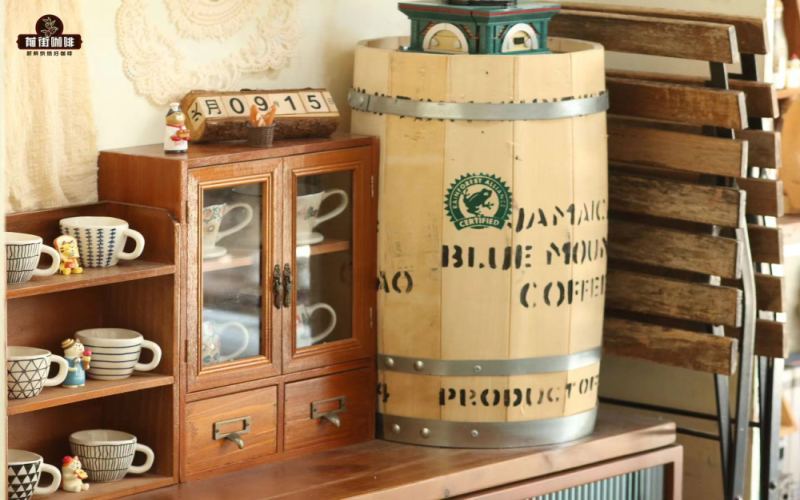
How to choose the roast level for pour-over coffee? How to brew Blue Mountain No. 1 coffee beans for a rich, mellow taste without bitterness
Those just starting to explore pour-over coffee often feel at a loss when faced with the wide variety of coffee beans. Front Street Coffee is often asked: what roast level should you actually choose for pour-over? In fact, the roast level directly determines the direction of acidity, bitterness, and sweetness—light roasts lean toward floral and fruity acidity, medium roasts present soft fruit acidity with caramel sweetness, and dark roasts move toward a mellow bitterness like dark chocolate. Besides flavor differences, the roast level also affects bean density and water absorption, which in turn influences the settings for water temperature and grind size. Based on Front Street Coffee's roasting and cupping experience, this article sorts out brewing strategies for different roast levels and breaks down in detail the extraction method for Jamaica Clifton Mount Estate Blue Mountain No. 1, helping everyone brew a balanced, easy-drinking cup of good coffee that is neither bitter nor astringent. [more…]
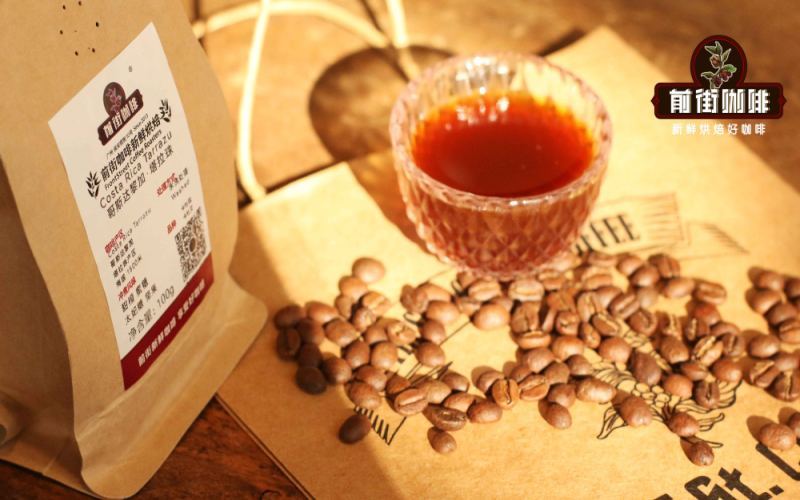
Comparison of Sun-Dried Coffee from Costa Rica's Three Major Regions: Analyzing the Flavor Differences Between Tarrazú, the Western Valley, and the Central Valley
Front Street Coffee has previously compared the differences among coffees from various Kenyan regions using the same processing method; this time, we turn our attention to Costa Rica. Also using natural processing, how much will the flavors differ among coffees from three major regions—Tarrazú, the Western Valley, and the Central Valley? This article will compare three beans—from the Pirong Processing Plant, Genesis, and Black Soul—one by one, from bean background, green bean appearance, and roasting curves to cupping and pour-over performance. If you haven't yet tried Costa Rican specialty coffee, you might start with the classic Front Street Tarrazú washed Caturra and savor its soft aroma of sweet orange, nuts, and chocolate. [more…]
Costa Rica Tank Estate Natural Villalobos Coffee Bean Variety Analysis, Flavor Characteristics, and Front Street Brand Recommendation
Tank Estate in Costa Rica's Central Valley produces a sun-dried Villasarchi coffee bean that has won the favor of many coffee lovers with its outstanding sweetness and soft fruit acidity. As a variant of Typica, Villasarchi performs excellently in high-altitude environments and has strong wind resistance, thriving even in poor soil. This article will comprehensively analyze this coffee from the perspectives of variety origin, origin grading, and estate processing methods, and share Front Street Coffee's recommended brewing parameters and flavor description, taking you deeper into understanding how sun-drying gives the coffee bean layers of caramel, nuts, and lime-like notes. [more…]
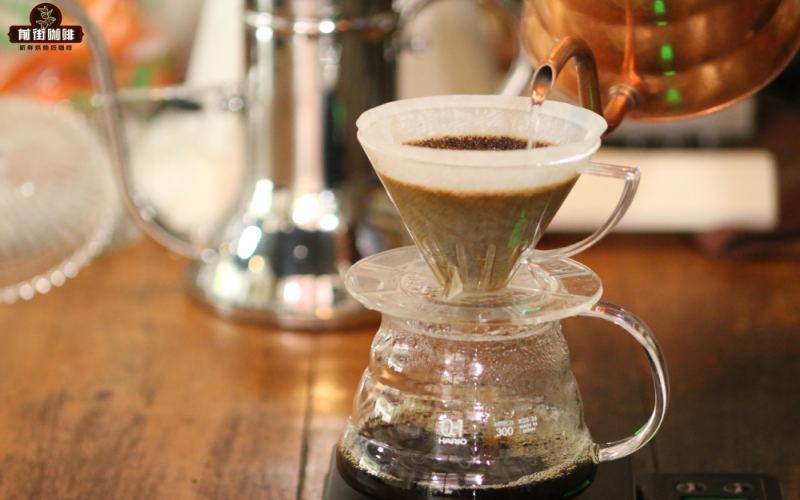
Flavor Characteristics of Jamaican Blue Mountain Coffee and Key Points for Pour-Over Tasting: Why It Is Hailed as the Pinnacle of Coffee
Blue Mountain coffee has long been known as the "beauty of coffees" and is the finest coffee produced in Jamaica's Blue Mountain region. Its defining characteristic is a highly balanced profile of acidity, bitterness, sweetness, and body—with virtually no bitterness, only a moderate and elegant acidity, and a lingering fruity finish. Because its caffeine content is extremely low—about half that of regular coffee—and because it is rich in flavor and remarkably tolerant of repeated brewing, Blue Mountain coffee has become the top choice for people who value health and quality. The distinctive flavor of authentic Blue Mountain coffee cannot be replicated by any other producing region; even growing the same variety in a similar climate is futile. This article will take an in-depth look at the taste characteristics of Blue Mountain coffee, the preciousness of peaberry beans, and will introduce the flavor performance of Front Street Coffee's Blue Mountain No. 1, as well as whether hand-brewed Blue Mountain is worth trying. [more…]

Why should you swirl the sharing pitcher after completing a pour-over coffee? How does this differ from the principle of decanting wine, and why doesn't it apply to espresso?
Many coffee enthusiasts have noticed that after finishing a pour-over, baristas pick up the sharing pitcher and give it a few shakes before pouring for the guest. What is the reasoning behind this action? Is it the same as decanting wine? This article uses measured data to reveal the real purpose of shaking pour-over coffee—to re-incorporate the different concentrations of coffee liquid extracted in stages back into a uniform mixture, rather than to release aromas as with decanting. It will also explain why espresso and lattes cannot be mixed by shaking and must instead be stirred. Front Street Coffee provides a complete brewing experiment and parameters in the article to help readers understand this operation from the perspective of concentration changes. [more…]
A Full Breakdown of the Washed Processing Method: Flavor Characteristics of Ethiopian Washed Coffee Beans and Front Street Coffee Insights
The washed processing method is currently one of the most common green bean processing methods in the specialty coffee field. Through a series of steps including removing the skin and pulp, fermenting to break down the mucilage, rinsing with flowing water, and drying and hulling, it shapes a clean and clear coffee taste. This article will restore the complete operational process of the washed method step by step, from bean selection to grading, and at the same time analyze the typical performance of coffee beans in flavor and appearance after washed processing, and use Ethiopian washed coffee beans as an example for explanation. The article also includes Front Street Coffee's knowledge compilation and brand sharing on coffee processing methods, suitable for coffee enthusiasts who wish to gain a deeper understanding of the washed process. [more…]

A Roundup of Famous Panama Geisha Coffee Estates: Varieties and Stories of Hacienda La Esmeralda, 90+ and Sophia
Geisha coffee is regarded by many specialty coffee enthusiasts as their ideal treasure, and although Panama is not a top-tier coffee-producing country, it has shone brilliantly on the international stage thanks to Geisha. Since making its name at the 2004 BOP, Geisha prices have remained consistently high. In this article, Front Street Coffee will take you into three world-renowned Geisha estates: Hacienda La Esmeralda, 90+ Geisha Estate, and Sofia Estate, sorting through their variety series, grading systems, and the stories behind them, while also answering why Geisha is so demanding about growing conditions and what the differences are between Geisha beans of different color labels. Whether you are just encountering Geisha or have already drunk it many times, you can gain a clearer understanding from this. [more…]
The Origin and Calculation Method of the Golden Cup Extraction Standard: How Extraction Yield and Strength Define a Good Cup of Coffee
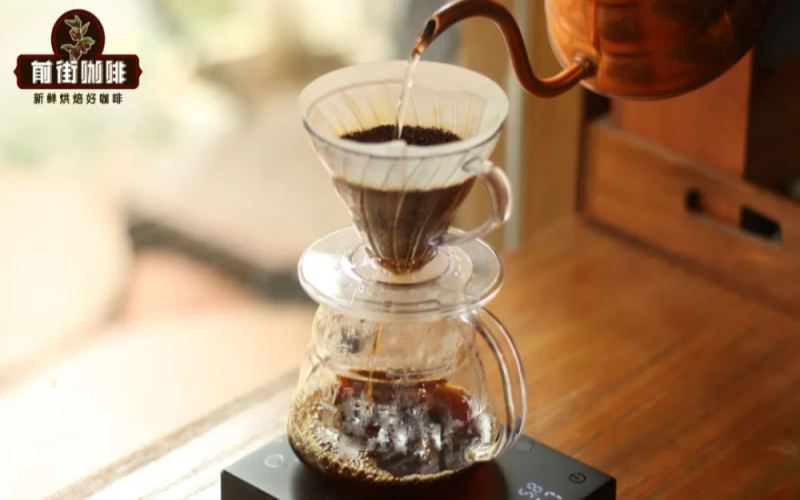
The Golden Cup extraction is a widely circulated concept in the coffee world, defining an extraction range that most people find acceptable. This concept originated from a large-scale preference survey in the United States in the 20th century, promoted by the Brewing Committee established by the American Coffee Association in collaboration with Dr. Lockhart of the Massachusetts Institute of Technology. The survey found that about 30% of coffee beans are soluble substances, while the remaining 70% are insoluble fibers. After two rounds of testing with ordinary people and coffee experts, the Golden Cup range was ultimately determined as an extraction yield of 18% to 22% and a concentration of 1.15% to 1.35%. This article will sort out the origins and development of the Golden Cup standard, the calculation methods for extraction yield and concentration, and explain why the Golden Cup range can only serve as a reference rather than an absolute standard, helping you view coffee extraction more rationally. [more…]
Why Is the Bloom Water for Pour-Over Twice the Coffee Dose? What Flavors Are Lost If You Discard the Bloom Liquid?
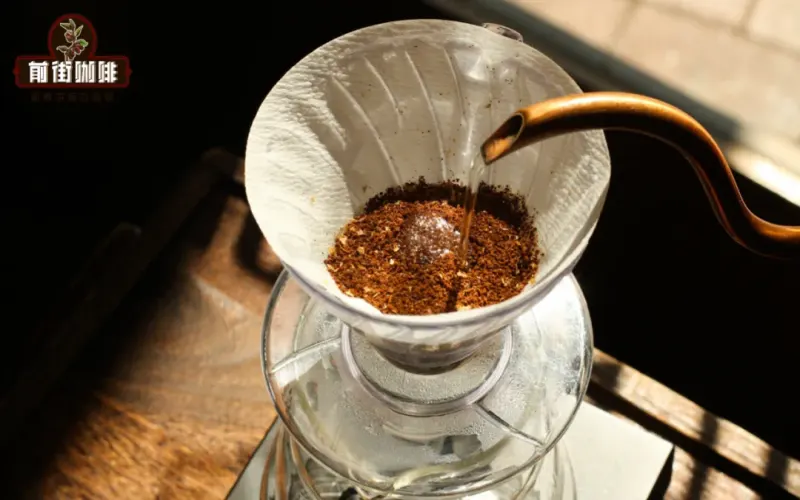
The blooming stage of pour-over coffee may seem simple, yet it involves multiple considerations: water volume setting, saturation and absorption by the coffee grounds, and extraction concentration. Why is the blooming water exactly twice the weight of the coffee grounds? Should the dark liquid seeping out from the coffee grounds be kept or discarded? Starting from the water-absorbing characteristics of coffee grounds and drawing on measured data from Front Street Coffee's use of Panama Green Label Geisha, this article compares the changes in coffee concentration and flavor after adding versus removing the blooming liquid, and provides an in-depth analysis of the blooming liquid's actual impact on the quality of the entire cup, helping enthusiasts understand this often overlooked yet crucial brewing detail. [more…]
Colombian Geisha Coffee Flavor Analysis: A Complete Record of Cultivation at San Pedro Estate, Washed Processing, and Roasting & Brewing
Geisha has always been a top-tier name in the specialty coffee world, with Panama Geisha enjoying the most dazzling halo, but Colombia Geisha is equally not to be underestimated. This article takes you into Finca San Pedro in the Tolima region of Colombia to learn about this Geisha's terroir, washed processing flow, green bean information, and roasting curve, along with cupping and brewing records. From floral and citrus notes to a black tea finish, see how this Colombian Geisha recommended by Front Street Coffee showcases soft and elegant sweet-acidity layers with a lingering sweet aftertaste. [more…]
A Comprehensive Analysis of the Flavor and Mouthfeel Differences Between Jamaican Blue Mountain and Indonesian Golden Mandheling Coffee Beans
Everyone's taste preferences are different—some love acidity, some crave bitterness, and some seek balance—while those who prefer a rich, full-bodied cup often favor medium-dark roasted coffee. Front Street Coffee recommends two classic coffees known for their full body: Jamaican Blue Mountain and Indonesian Golden Mandheling. This article will comprehensively compare the differences between these two coffees, from growing region environment, variety characteristics, and processing methods to green bean appearance and pour-over flavor. Blue Mountain has a clean flavor with balanced acidity, sweetness, and bitterness, featuring notes of dark chocolate and nutty cream; Golden Mandheling, on the other hand, stands out with herbal spices and a long-lasting caramel sweetness, making it a favorite among those who enjoy bold flavors. If you're hesitating between the two, this article will help you find the cup that suits you. [more…]
Exploring Ethiopia Sidamo Guji: A Detailed Guide to Origin Terroir, Varieties, Processing, and Flavor Profile
This feature systematically explores the terroir, varieties, and processing methods of Ethiopian Sidamo and Huakui coffee. We compare the different cup profiles of Sidamo and Yirgacheffe, trace the origins of Guji Hambela Huakui's championship at the TOH competition, and analyze the local heirloom variety concept and the advantages of the natural processing method. The article also includes information on popular single-origin products such as Front Street Coffee's Natural Huakui 5.0, explains the logic behind the Huakui X.0 vintage code, and presents the brand's fresh-roasting philosophy along with specific brewing recipes. From the volcanic soil of Sidamo to the smooth mouthfeel of natural beans, the full text focuses on Huakui's high sweetness and floral-fruity aromas, connecting everything from Front Street's perspective to help enthusiasts appreciate it in greater depth. [more…]
Coffee Roasting Practical Insights: How Cupping Became a Core Skill and Essential Course for Roasting Coffee
Want to learn coffee roasting? Why is the first step not touching a roasting pan but practicing cupping? Starting from the apprenticeship experience of a seasoned roaster, this article sorts out the key role of cupping in green bean purchasing, roasting curve setting, and flavor judgment, while reviewing the shifts in China's roasting market over more than two decades and how the concept of specialty coffee has slowly seeped into consumers' awareness. The article also weaves in the philosophy of consistent output and real data on customer cultivation, and includes product recommendations from Front Street Coffee, making it suitable reading for every enthusiast who takes coffee beans seriously. [more…]